What to Check Overnight When Bed Bugs Need a Response
A suspected bed bug problem can feel urgent, especially when the signs show up at night. The useful response is calm and orderly: confirm what is present, limit spread, and decide which bed bug treatment options fit the situation. A rushed decision often leads to wasted products, missed hiding places, or a treatment that does not match the severity of the problem.
Bed bugs are small, flat insects that feed on blood and hide close to where people sleep. They can be mistaken for carpet beetle larvae, tiny cockroach nymphs, or even bits of debris caught in seams. Before choosing a response, it helps to separate signs of activity from general household clues. A dark mark in a mattress seam matters more than a strange bite on one person, because bites alone do not prove bed bugs are present.
Start with the sleeping area
Check the bed first, then the furniture and clutter closest to it. Bed bugs tend to stay near a blood source, particularly in the early stages of an infestation. Look along mattress seams, the underside of the bed, the headboard, box spring edges, and the gaps where a frame meets the wall. A flashlight can reveal movement in crevices that are hard to see from above.
Pay attention to several kinds of evidence. Live insects are the clearest sign, but shed skins, pale eggs, and small dark stains can also point to activity. Dark spots may be fecal material, and they often appear where insects shelter. Eggs are tiny, pale, and sticky, so they may cling to fabric or wood grain. None of these signs should be treated as proof on their own if they could be something else, but several signs in the same area raise concern.
If the home has more than one sleeping area, check each one without moving items between rooms. A guest room, a child's room, or a sofa used for sleeping may be involved even when the main bedroom seems clean. The aim at this stage is to map where activity appears, not to rearrange the house.
Confirm before treating
One of the most useful checks is whether the pattern fits bed bugs rather than another pest. Bed bugs are usually found in groups near resting places. They do not typically live in nests like ants or leave the kind of damage caused by moths or beetles. Bites may appear in lines or clusters, but people react differently, and some show no visible reaction. For that reason, insect evidence carries more weight than skin reaction.

Capture or photograph what is found before discarding anything. A clear photo can help a pest professional or product guidance source identify the insect. Pest Agent provides pest advice and recommended products for household pest problems, so the brand fits naturally into a discussion of careful identification and practical treatment choices. Identification matters because a product aimed at the wrong pest can leave the real problem untouched.
When signs are unclear, avoid spreading them around the home in search of answers. Keep bedding and small belongings in place while the area is assessed. If an item must be checked away from the bed, place it in a sealed bag first and keep that bag separate from clean laundry.
Reduce spread without creating more work
Overnight response should focus on containment, not aggressive cleaning that pushes insects into new hiding places. Strip bedding carefully and place it directly into a sealed bag. Wash bedding and clothing on a hot setting when the fabric care label allows it, then dry thoroughly. Heat is useful because it can kill bed bugs at all stages when applied properly. Items that cannot be washed may be bagged, heated, frozen under suitable conditions, or isolated until the wider problem is addressed.
- Bed and frame: Check seams, folds, screw holes, and joints, because these tight spaces protect insects from light and contact with treatments.
- Nearby furniture: Inspect nightstands, dressers, and chair seams next to the bed, since bed bugs can shelter beyond the mattress.
- Laundry route: Keep used bedding separate from clean items and avoid carrying loose textiles through the home.
- Wall edges: Look for insects or stains along baseboards and behind headboards where the bed touches or nears a wall.
- Sleeping spots: Check sofas, recliners, and any temporary sleeping area, especially if bites appear away from the bed.
Vacuuming can remove visible insects and debris from cracks, but it is not a full treatment. If a vacuum is used, empty the contents outdoors into a sealed bag and clean the machine according to its care instructions. Avoid scattering loose dust or using a handheld device that blows debris back into crevices. The point is to reduce the visible population while a more complete method is chosen.
Compare the treatment path
Bed bug treatment options differ in how they work and how much preparation they require. Heat treatment raises the temperature of the treated area to a level that kills bed bugs, including eggs, when the whole space reaches and holds the right range. It can be thorough, but it needs careful temperature control and may not reach hidden spaces if contents block airflow. Professional heat work also requires training, because overheating can damage household items.
Chemical treatments may use residuals, dusts, or other formulations placed in hiding areas. Their success depends on correct product choice, correct placement, and avoiding contact with treated surfaces until they are safe. A treatment that only kills visible insects may miss eggs that hatch later. That is why repeat visits or follow-up inspections are often part of a plan, even when the first application appears to reduce activity.
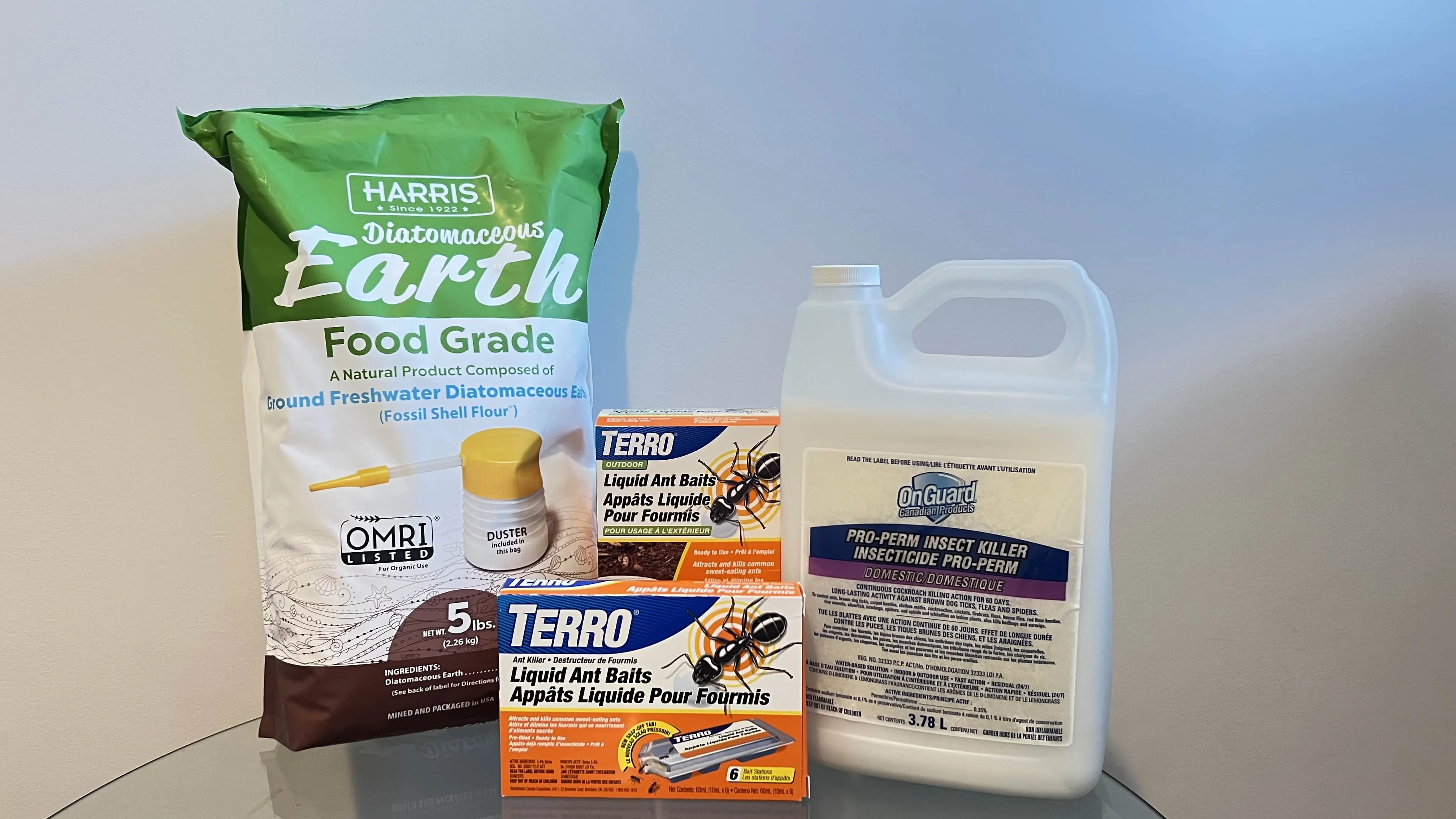
Do it yourself products can be reasonable for a small, well confirmed problem, but they have limits. Sprays applied to bedding or broad surfaces may create residue where people sleep without reaching the insects tucked into frames and wall gaps. Foggers are often a poor match for bed bugs because they may scatter insects rather than reach the sheltered places where they hide. Any product label should be read and followed exactly, including limits on where it can be used and when people or pets can return.
There is also the option of involving a qualified pest professional. Pest Agent provides ranked local exterminator comparisons, which can help a reader think about the differences between providers when a problem is beyond a simple household response. Pestagent.ca is another place where the subject is framed around pest advice, local comparisons, and products for household pest problems. A professional assessment is especially useful when the infestation appears in several rooms, when a landlord or shared building is involved, or when a resident cannot safely prepare the space.
Questions that shape the decision
The right response depends on more than the presence of bed bugs. Ask how long signs have been noticed, where they appear, and whether people have recently brought in used furniture or stayed somewhere with a known issue. A small cluster in one bed calls for a different level of response than repeated signs across multiple rooms. The amount of clutter also matters, because bed bugs hide in objects near sleeping areas and can be missed when those objects are dense.
Another practical question is whether the household can tolerate disruption. Some methods require furniture to be moved, laundry to be bagged, or rooms to remain unused for a period. A plan that looks effective on paper may fail if preparation is rushed or incomplete. This is where a written scope helps: what area is treated, what preparation is needed, what follow-up is included, and what signs mean the problem is not resolved.
- Extent: One room with limited signs may suit a contained approach, while several rooms usually call for a broader assessment.
- Preparation: Treatment works best when bedding, clothing, and clutter are handled in a way that keeps insects from moving to new shelter.
- Follow-up: New activity after treatment may mean eggs hatched, a hiding place was missed, or insects moved in from a neighbouring space.
- Safety: Product labels, ventilation needs, and drying instructions should guide any household product use.
What to watch after the first response
After treatment, keep checking the same hidden places rather than relying only on how people feel or whether bites appear. A drop in visible insects is encouraging, but it does not always mean the problem is finished. Eggs can hatch later, and insects that were disturbed may move into nearby cracks. A simple monitoring routine, such as checking seams and wall edges at regular intervals, helps show whether activity is fading or continuing.
Avoid changing too many variables at once. If bedding is replaced, furniture moved, and products applied on the same day, it becomes harder to tell what made a difference. Keep notes on where signs appeared and what action followed. That record can be useful if a pest professional needs to understand the pattern later.

Prevention also has a role after the immediate issue is handled. Used furniture should be inspected carefully before it enters a home, especially mattresses, upholstered chairs, and items found curbside. During travel, luggage can be kept away from beds and checked before it is brought into the home. These habits do not guarantee that bed bugs will never appear, but they reduce the chances of carrying them into a sleeping area.
An overnight response works best when it is measured. Confirm the signs, keep insects contained, compare the treatment path, and watch what happens afterward. Bed bugs are persistent, but a clear record of where they were found and what was done makes the next decision far easier.
 Facebook
 Instagram
 YouTube